Chiang Mai rewards a slower pace. Seven days and six nights give you time for historic temples, weekend craft markets, Nimman cafés, waterfalls, mountain scenery and art communities without turning the trip into an endless checklist. This itinerary assumes a Friday arrival and Thursday departure, allowing you to catch both the Saturday and Sunday walking streets. If your flights fall on different days, move the market activities accordingly.
Planning note: Some markets run only on weekends, and mountain trails can close seasonally. This is an independently compiled itinerary rather than a claim that the writer personally visited every hotel, restaurant or attraction mentioned.
Seven-day itinerary at a glance
| Day | Theme | Suggested stops |
|---|---|---|
| Friday | Arrival | Old City dinner, North Gate jazz |
| Saturday | Weekend markets | Jing Jai, Coconut Market, Nimman, Saturday Walking Street |
| Sunday | Old City heritage | Wat Phra Singh, Wat Chedi Luang, Kalm Village, Sunday Walking Street |
| Monday | Nature | Bua Tong Sticky Waterfalls or ethical elephant observation |
| Tuesday | Mountains | Doi Inthanon National Park, seasonal forest trail, royal pagodas |
| Wednesday | Arts and campus | Wat Umong, Baan Kang Wat, Ang Kaew Reservoir |
| Thursday | Local shopping | Warorot Market, Chang Moi crafts, Ping River, departure |
Day 1 | An easy arrival and jazz near the Old City
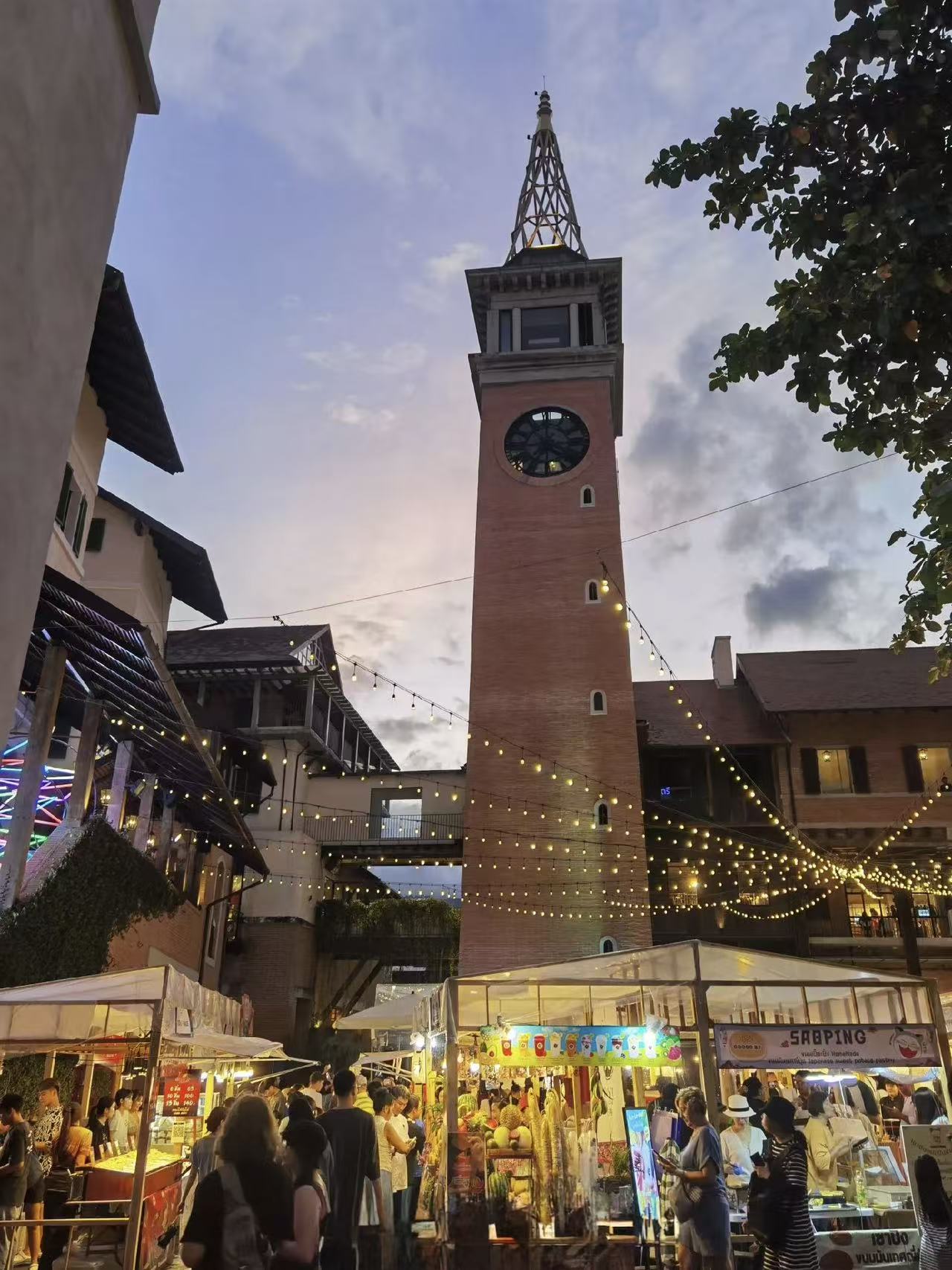
After arriving at Chiang Mai International Airport, check into your hotel in or near the Old City or Nimman. The Old City is convenient for historical temples and walking streets, while Nimman is appealing for cafés, shopping and design-focused neighborhoods. It is rarely necessary to change hotels during a seven-day stay.
Start your first evening with northern Thai food. Try khao soi curry noodles, sai ua northern sausage, nam prik noom green chili dip or gaeng hang lay pork curry. These specialties offer a different flavor profile from some of the better-known central Thai dishes.
If you arrive early enough, The North Gate Jazz Co-Op is an atmospheric place to hear live music. It is known for its performances more than luxury décor. If your flight is late, simply enjoy a meal and rest: the weekend markets are best explored when you are fresh.
Day 2 | Jing Jai Market, coconut palms and Saturday Walking Street
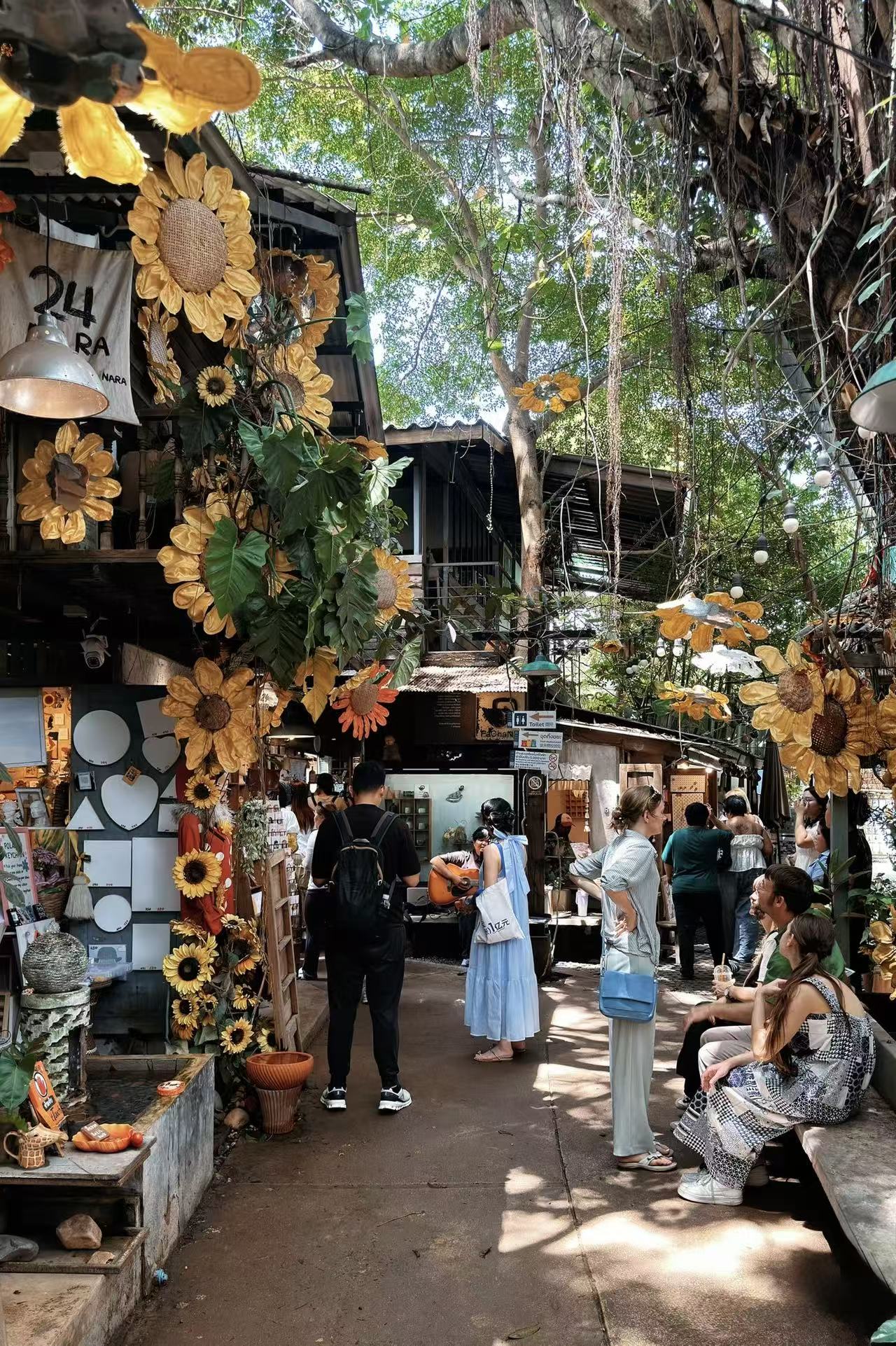
Start Saturday morning at Jing Jai Market, a popular space for handicrafts, independent design, coffee and local food. The weekend craft market is particularly lively earlier in the day. Browse ceramics, textiles and small gifts without treating it as a mandatory shopping spree.
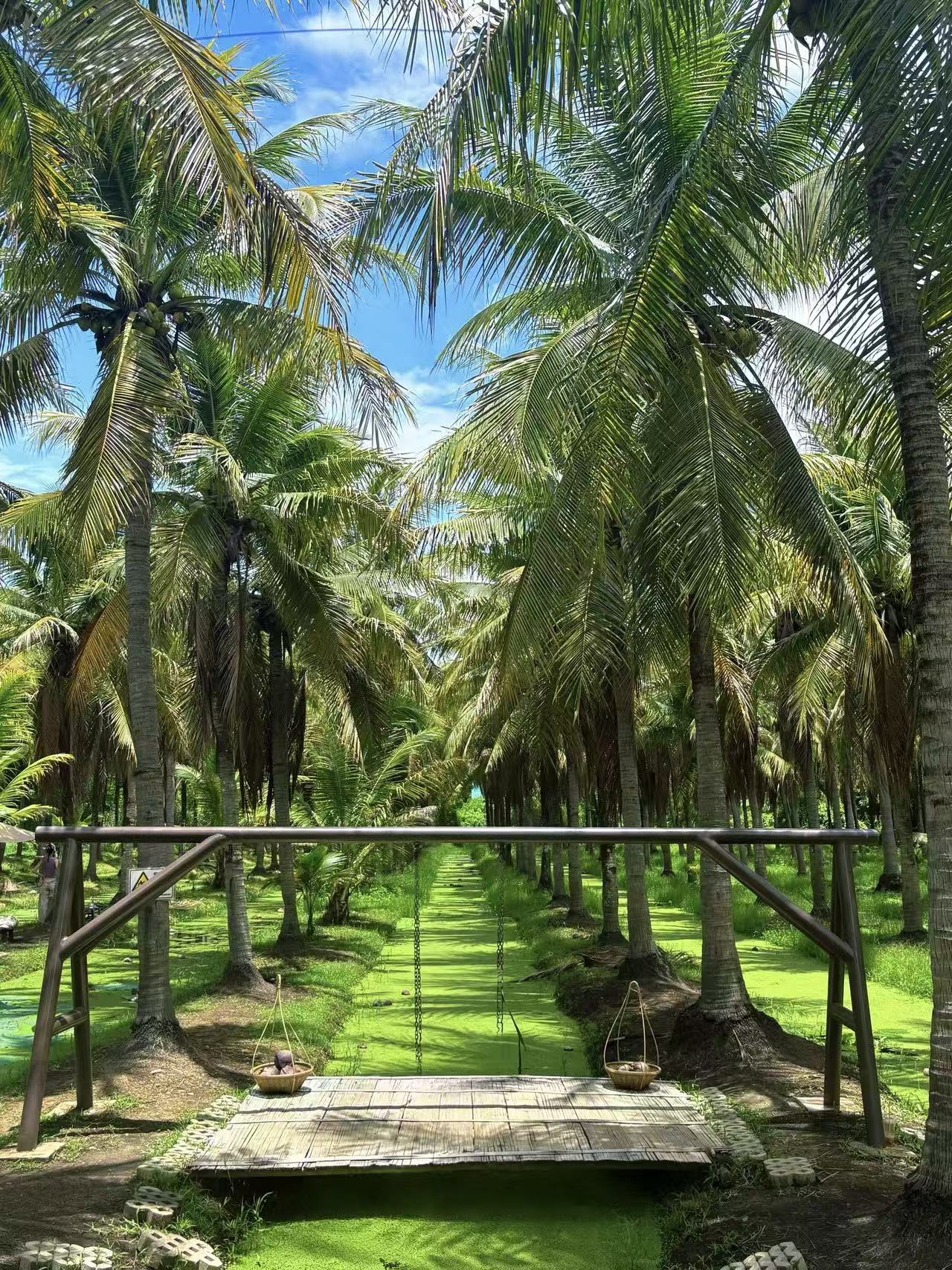
Coconut Market offers a different setting: stalls and refreshments among palm trees and shaded spaces. It is relatively compact, making it a pleasant short stop rather than an all-day outing. Check the latest opening days and hours before traveling.
Return toward Nimman and One Nimman for the afternoon. The neighborhood is filled with cafés, shops and restaurants; MAYA shopping center is nearby. Ristr8to Original may interest coffee fans, but there are numerous independent alternatives worth exploring at your own pace.
In the evening, head for the Saturday Walking Street along Wualai Road. Handicrafts, silverwork, street food and lively stalls make it distinctive. It can get crowded, so families and travelers who prefer quieter spaces may wish to arrive early and leave before peak hours.
Day 3 | Old City temples, Kalm Village and Sunday market
Spend Sunday exploring Chiang Mai's religious and architectural history. Wat Phra Singh is known for Lanna-style buildings and Buddhist art. Wat Chedi Luang has a striking historic chedi whose brickwork offers a different atmosphere from more ornate temples. Dress respectfully and follow worship-area and photography rules.
Around midday, visit Kalm Village for exhibitions, crafts, design and a quiet café break. It is a rewarding stop for travelers interested in textiles, ceramics and local creative culture, as well as a convenient pause between temples and the evening market.
Walk through Tha Phae Gate in the afternoon. The restored historic gate is a recognizable landmark, but please do not feed or deliberately disturb pigeons for photos; related behavior is locally regulated. Later, head toward Ratchadamnoen Road for the Sunday Walking Street, where craft stalls, food, music and lights bring the Old City to life.
Weekend timing: If you do not arrive on a Friday, rearrange the itinerary so the walking street actually coincides with Sunday; the market is not an everyday attraction.
Day 4 | Bua Tong Sticky Waterfalls and a slower nature day
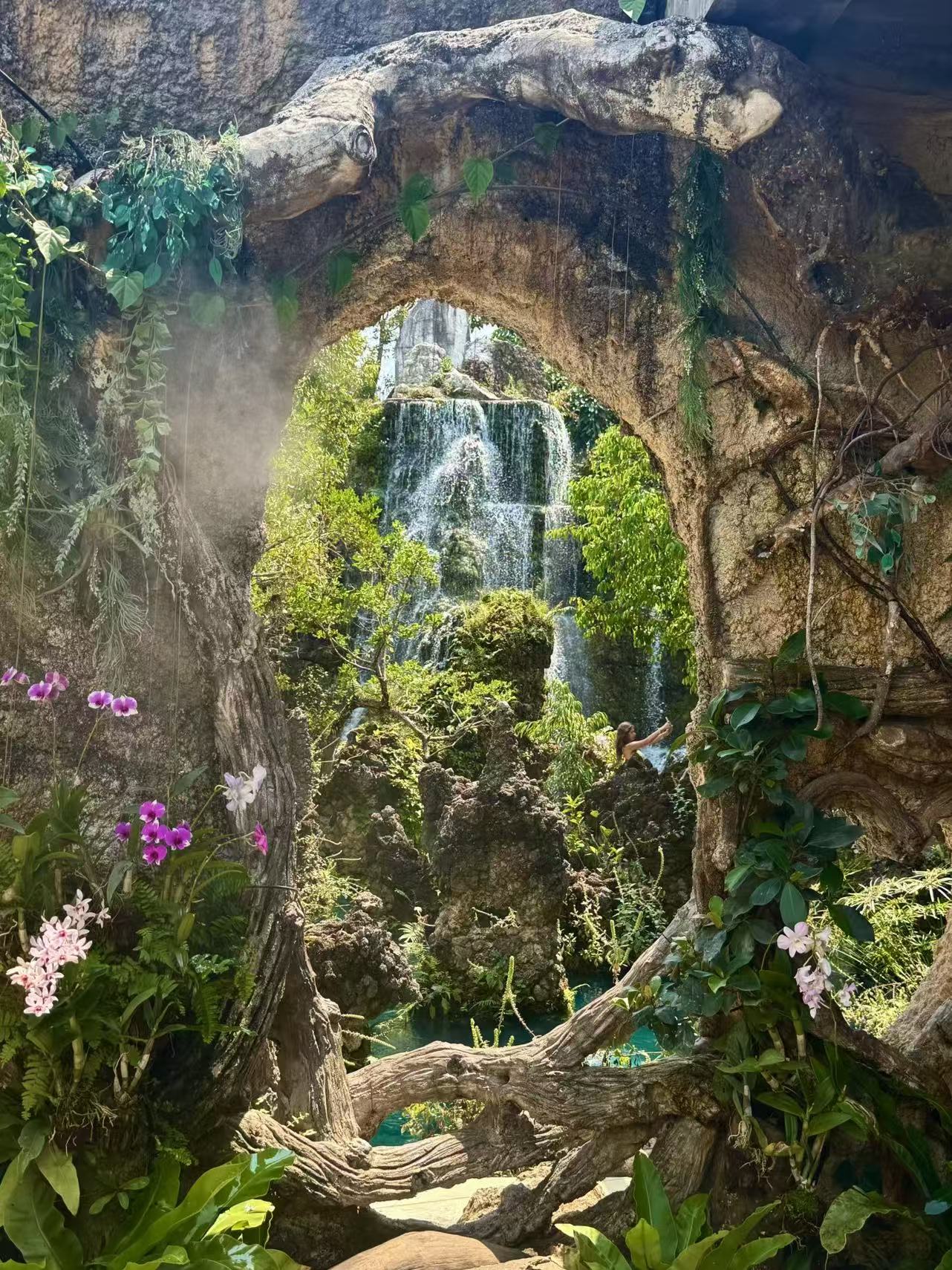
Travel out of Chiang Mai city to Bua Tong Sticky Waterfalls. Minerals in the limestone provide useful traction on parts of the waterfall, creating the unusual experience of moving up alongside flowing water on designated sections. The surrounding forest is a refreshing change from the Old City.
"Sticky" does not mean slip-proof. Wear suitable footwear, carry dry clothes, use available ropes and obey safety instructions. There is no obligation to climb; observing the falls from safe areas can still be enjoyable.
Some tours combine the falls with elephant encounters, but these are substantial activities and should not be overpacked. If elephants are your main interest, prioritize a center that allows voluntary animal behavior and observation rather than riding, performances or forced bathing. Return to the city for a simple dinner and rest.
Day 5 | Doi Inthanon, mountain forests and viewpoints
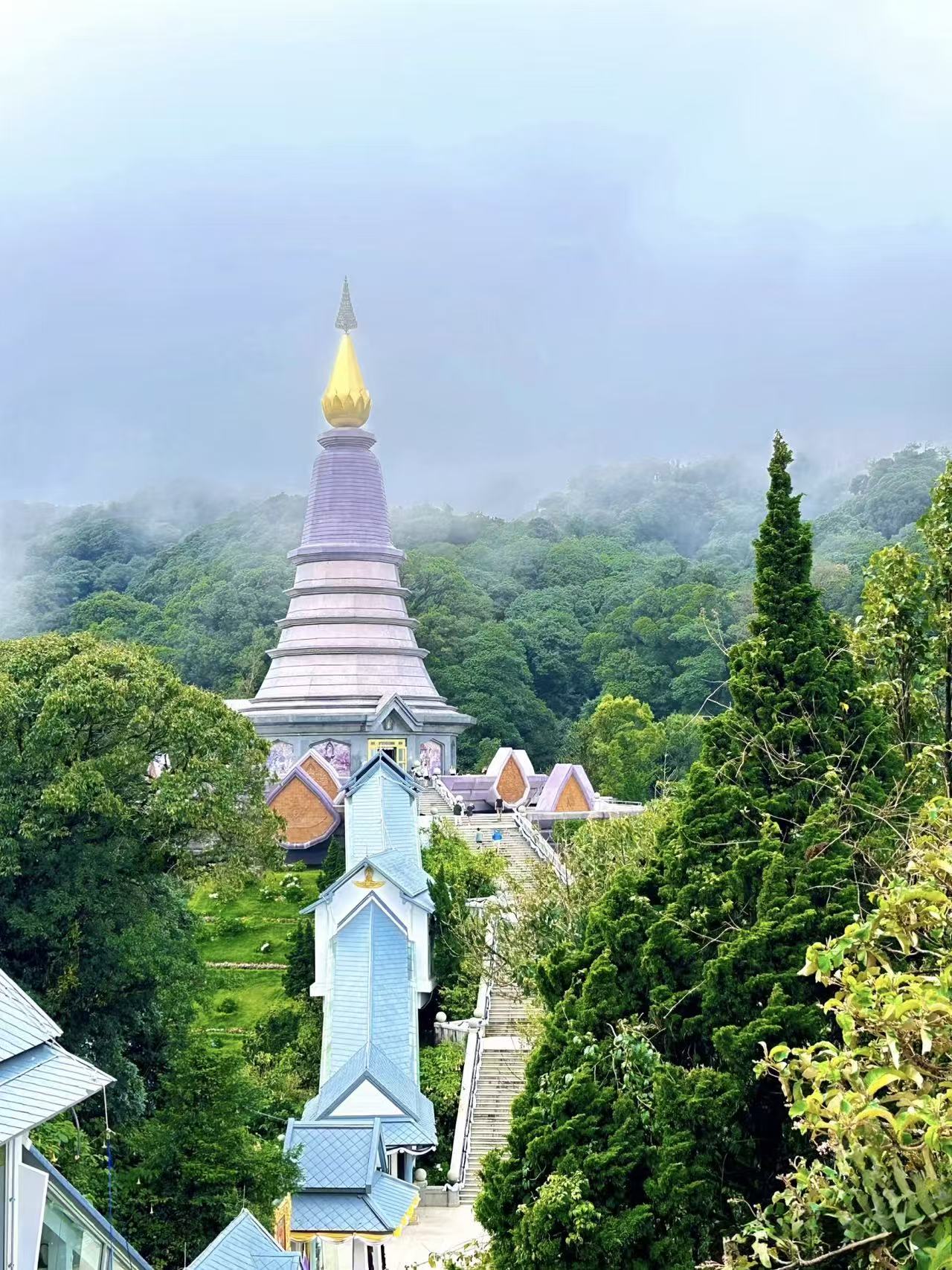
Doi Inthanon National Park is home to Thailand's highest peak, around 2,565 meters above sea level. Getting there requires a long journey from central Chiang Mai, so set aside a full day. Forest conditions and temperatures change noticeably as you climb; bring a light jacket and rain protection even when the city feels hot.
During the permitted season, travelers interested in hiking can look into the Kew Mae Pan Nature Trail. It includes forest sections and broad mountain views, normally requires a local guide, and closes seasonally during the wet months. Check the current national-park notice and weather before committing.
Less active travelers can visit accessible viewpoints, the summit area and the royal twin pagodas instead. Clear weather may bring wide mountain views, while fog gives the landscape a very different character. Avoid adding another faraway excursion that evening.
Day 6 | Wat Umong, an arts village and the university lake
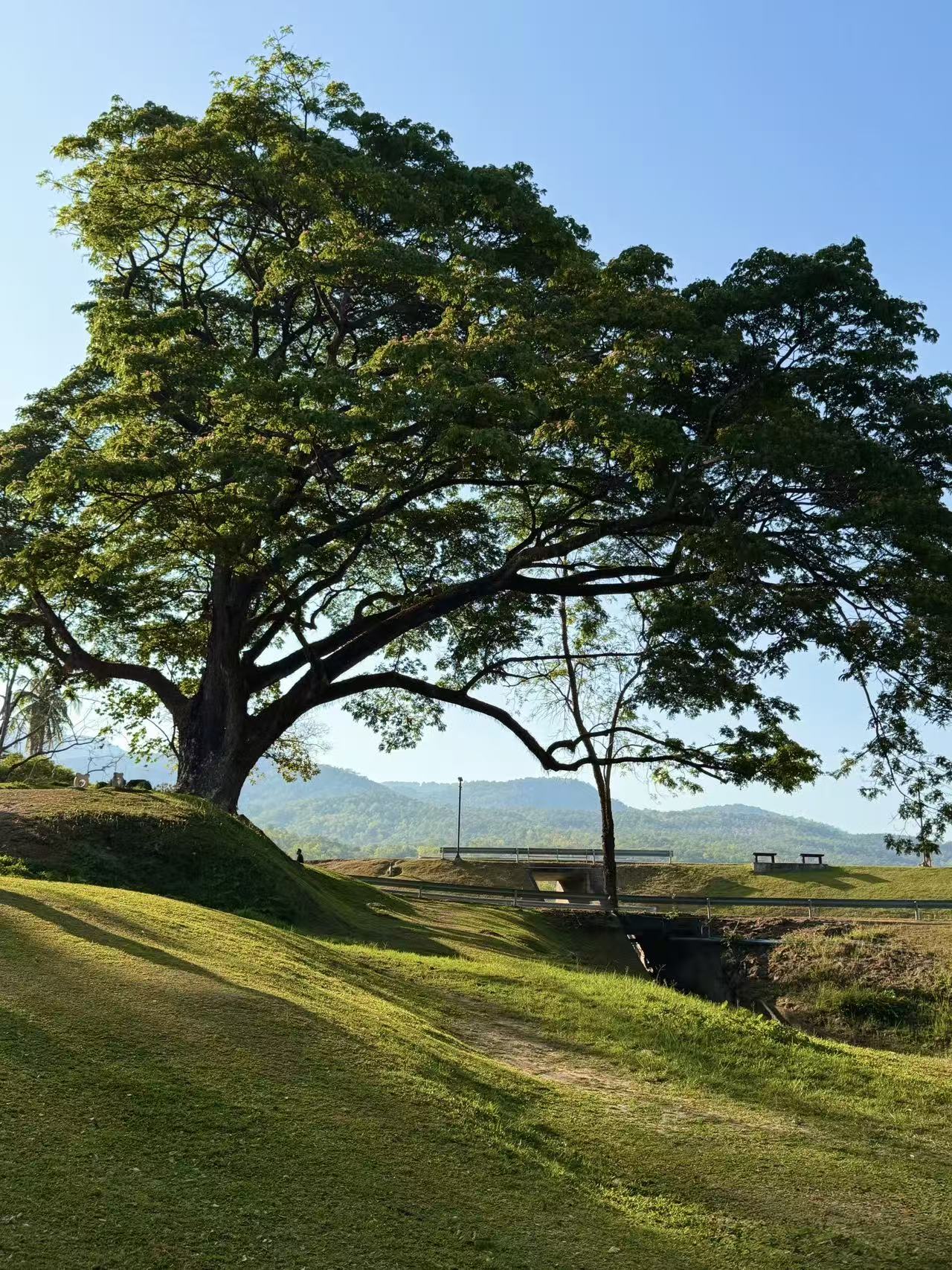
Ease back into city life at Wat Umong, a forest temple known for its old tunnels and leafy surroundings. Its quiet character contrasts with the busier temple areas of the historic center, making it a rewarding morning stop.
Continue to Baan Kang Wat, an arts community with small workshops, handmade items, ceramics, galleries and cafés. Check individual shop opening days before setting off, as not every studio opens every day. The best approach is to spend time with the work you genuinely like instead of rushing through the site.
In the late afternoon, visit Ang Kaew Reservoir at Chiang Mai University for lake and mountain views, respecting campus visitor rules. Stay around the university district for a simple local dinner or a small market, where you can experience a more everyday, student-centered side of Chiang Mai.
Day 7 | Warorot Market, Chang Moi crafts and the Ping River
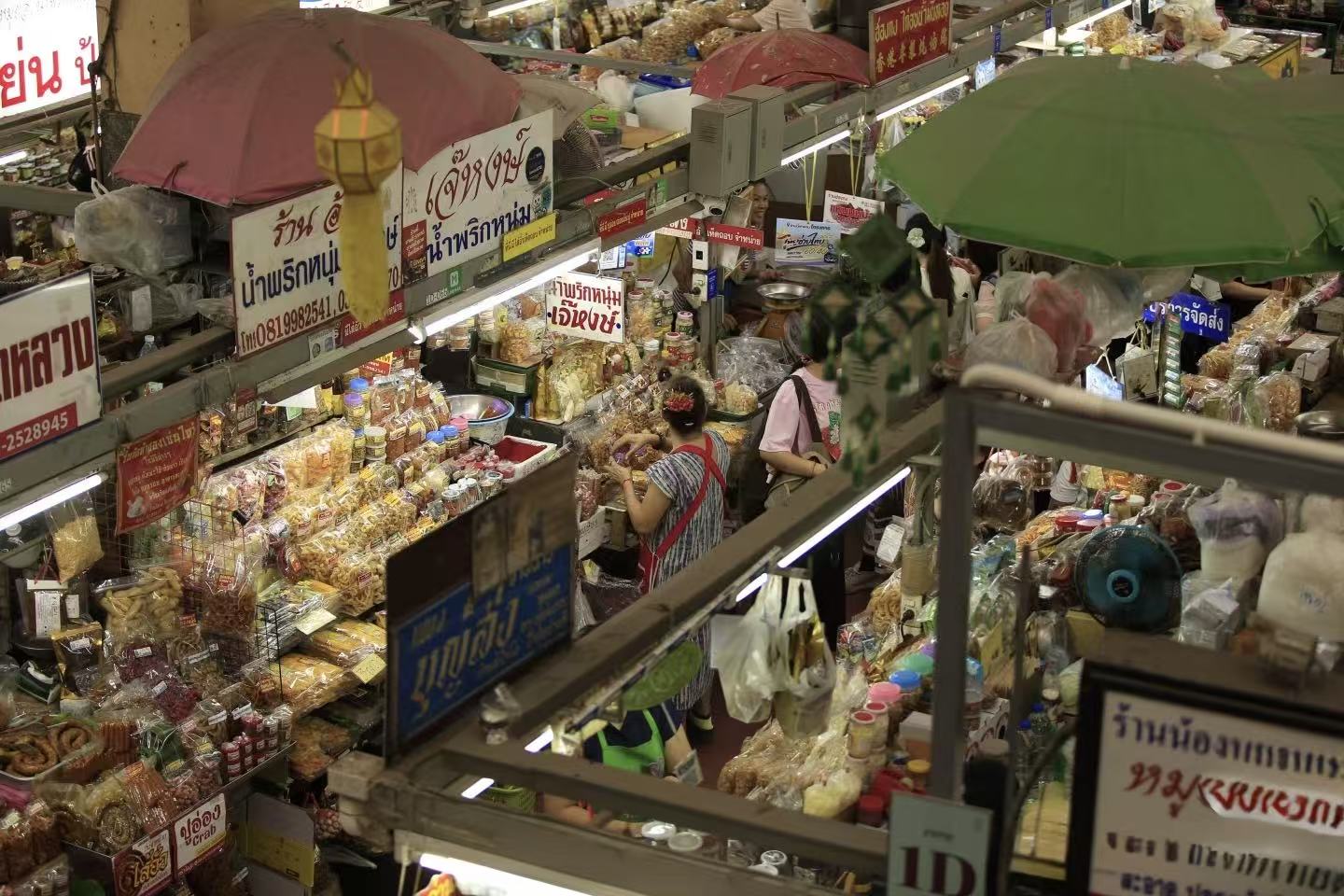
Save the last day for gentle activities and airport flexibility. Warorot Market is a traditional local shopping area with food products, textiles and everyday goods. Around Chang Moi Road, browsing handmade baskets and woven items can be a pleasant way to find souvenirs.
For a leisurely lunch, consider the Ping River area. Anantara Chiang Mai Resort and The Service at 1921 House are known for distinctive design and dining settings, but hotel facilities may not be open to outside visitors; confirm access or reservations before going.
A Thai cooking class is another option if your flight is late enough. Such classes can occupy several hours, so do not book one that leaves too little time for an airport transfer. For an early flight, skip sightseeing and leave directly from the hotel.
Where to stay: Old City, Nimman or riverside?
Old City works especially well for a first trip centered on temples and walking streets. Nimman appeals to café lovers and shoppers, while the Ping River offers a quieter resort atmosphere. At Nimman Conceptual Home, Anantara Chiang Mai Resort and Lanna Dusita Riverside Boutique Resort represent different styles and price levels, but compare recent reviews, transport options and current facilities before booking.
Staying in one hotel for all six nights makes the itinerary easier. If weekend markets are a priority, choose a location that makes reaching the Old City straightforward.
Getting around, costs and family options
Chiang Mai does not have Bangkok's extensive BTS/MRT network. Many Old City sights are walkable; for longer journeys, use Grab, Bolt or a local songthaew and confirm the destination and fare before traveling. The Sticky Waterfalls and Doi Inthanon are much farther away, so a reputable day tour or pre-arranged driver is often convenient.
Budget separately for flights, six hotel nights, transfers, two potential countryside excursions, meals and optional crafts or massage. A travel post's older quoted price may not reflect today's costs. Do not ride a motorcycle without valid recognized credentials and suitable experience, especially on mountain roads.
Families can replace demanding hikes with a carefully chosen hands-on craft activity, a child-appropriate cooking class or relaxed hotel time. The hot season may require midday rest, while the mountains may be much colder than the city. Check age and health requirements for every activity.
Seasons, smoke and market schedules
November through January is often more comfortable for city walks and mountain scenery. From roughly February to April, northern Thailand can experience seasonal smoke and poor air quality; monitor the actual air-quality index before planning long outdoor days. The rainy season brings green hillsides but can affect waterfalls, mountain roads and trail openings.
Remember that the weekend areas of Jing Jai Market, the Wualai Saturday Walking Street and the Old City Sunday Walking Street follow specific schedules. In Chiang Mai, a good seven-day trip is not seven days of nonstop attractions: temple courtyards, coffee breaks, art studios and evenings with music are part of the experience.
The joy of a slower seven days
One day in the mountains, one with centuries-old temples, one browsing a craft market, and several stretches of time with nothing scheduled: this is how Chiang Mai's character comes through. Move slowly, eat slowly, and take time to look around.
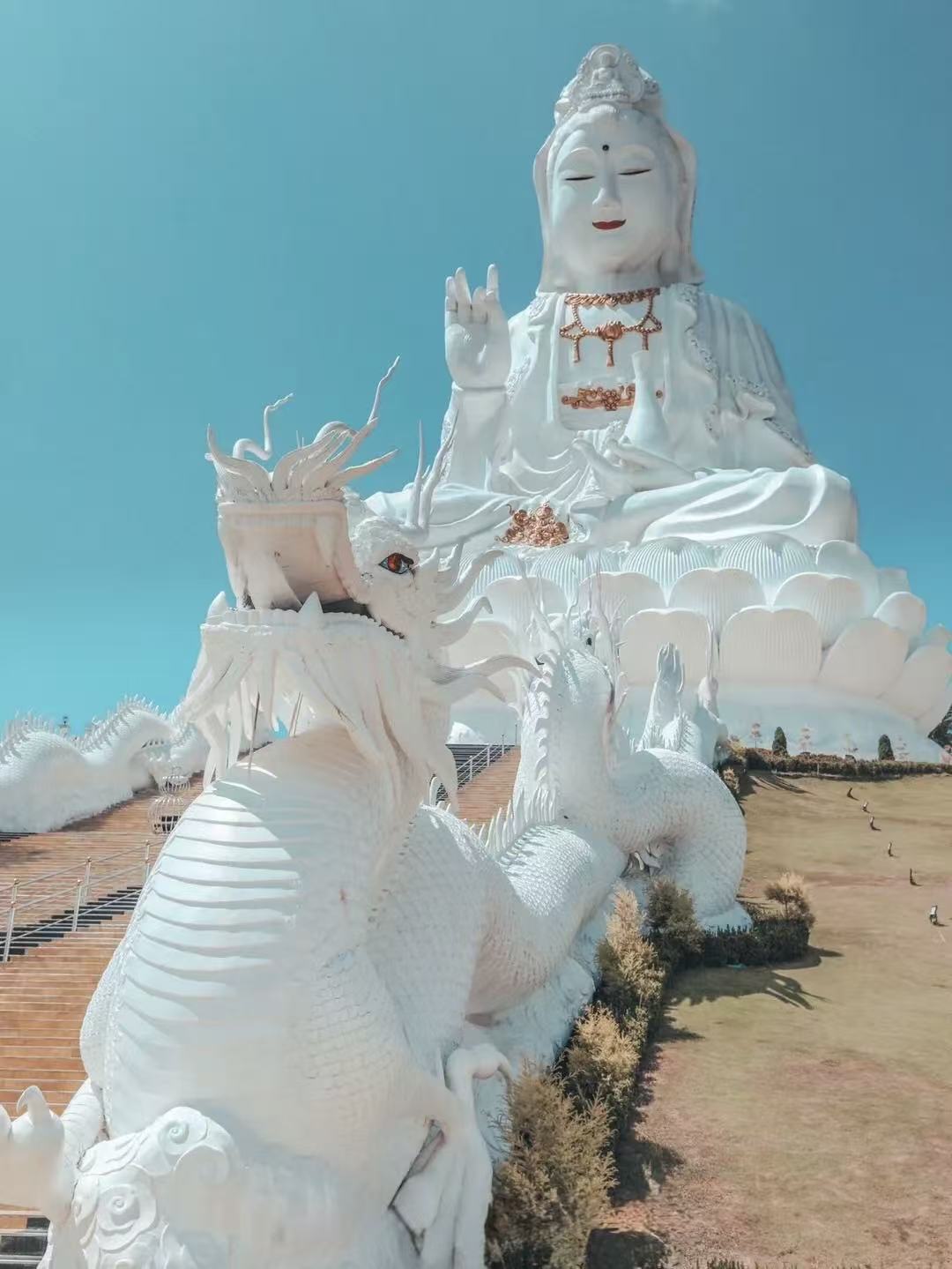
SEA NOW THAILAND | Original travel itinerary. Opening hours, tour details, seasonal access and air quality are subject to change. The editor-selected cover shows a Guanyin statue in Chiang Rai province, not a stop included in this Chiang Mai itinerary; it is used as a visual cover only.